-
Budgeting for a Service Dog 
-
6 Things to Teach Your SD 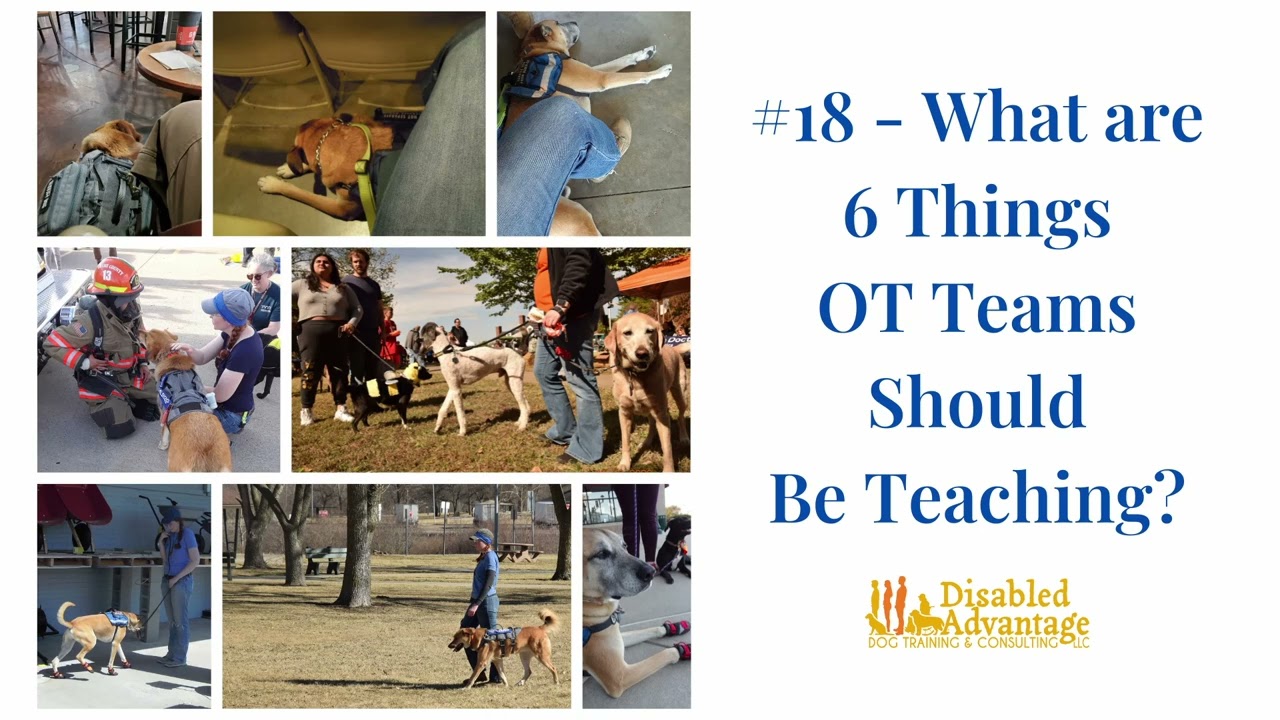
-
How Do I Qualify for a Service Dog? 
-
Service Dog Puppy Training 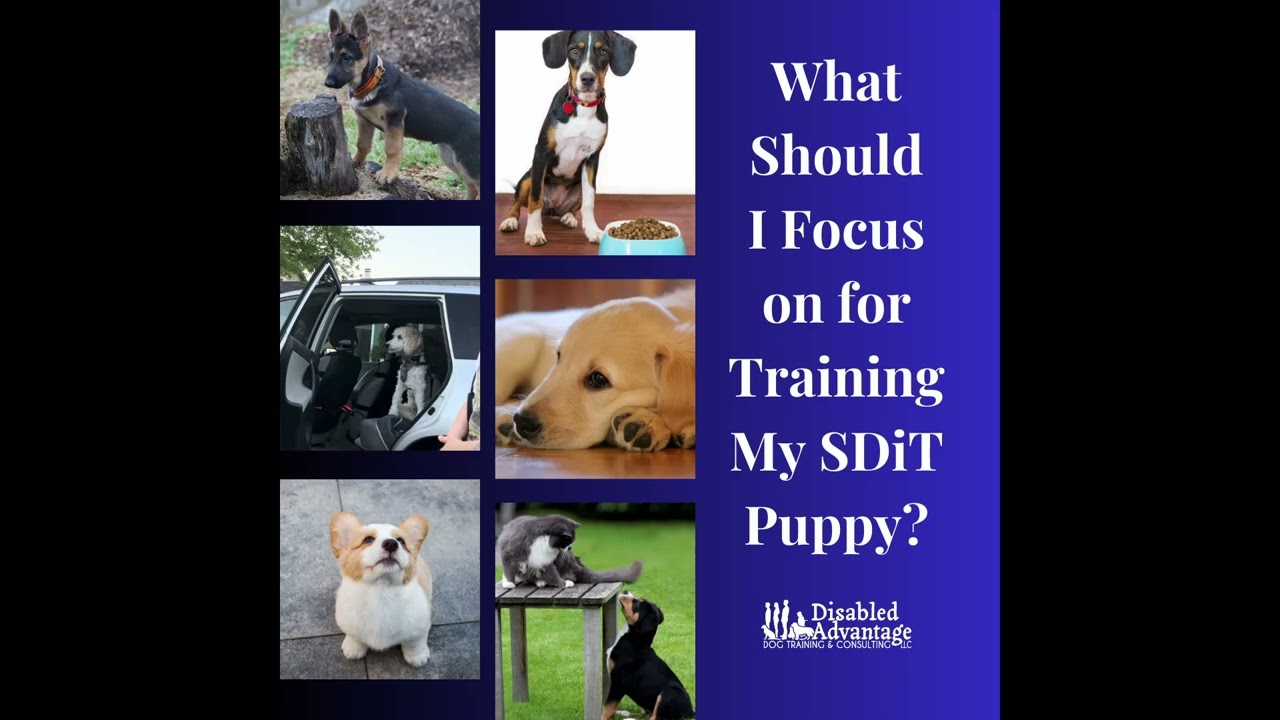
-
What Breed Should I Get? 
-
How Long is SD Training? 
-
Starting Your Service Dog's Successor 
-
How to Cope When Your SD Dies 
-
Interview with a Cardiac Alert Team 
-
Should I Let My Dog Play on a Hill? 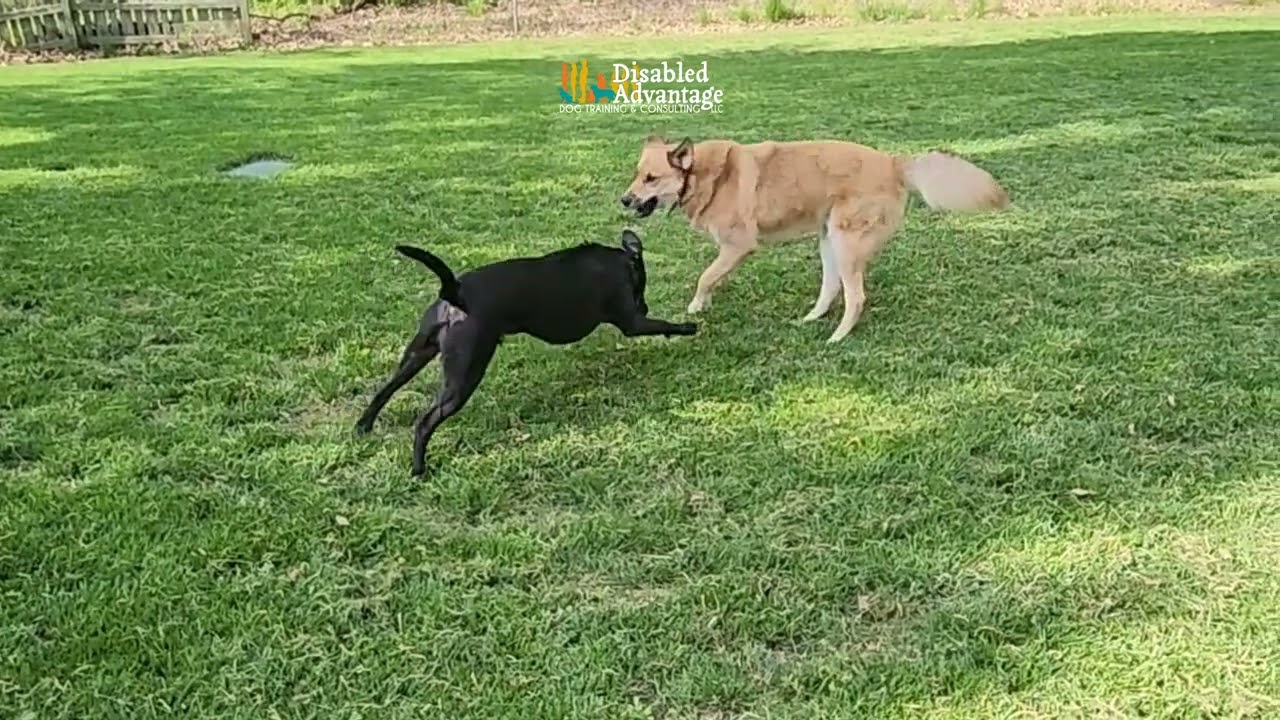
-
What is "Socialization"? 
-
When Your Service Dog Gets Hurt 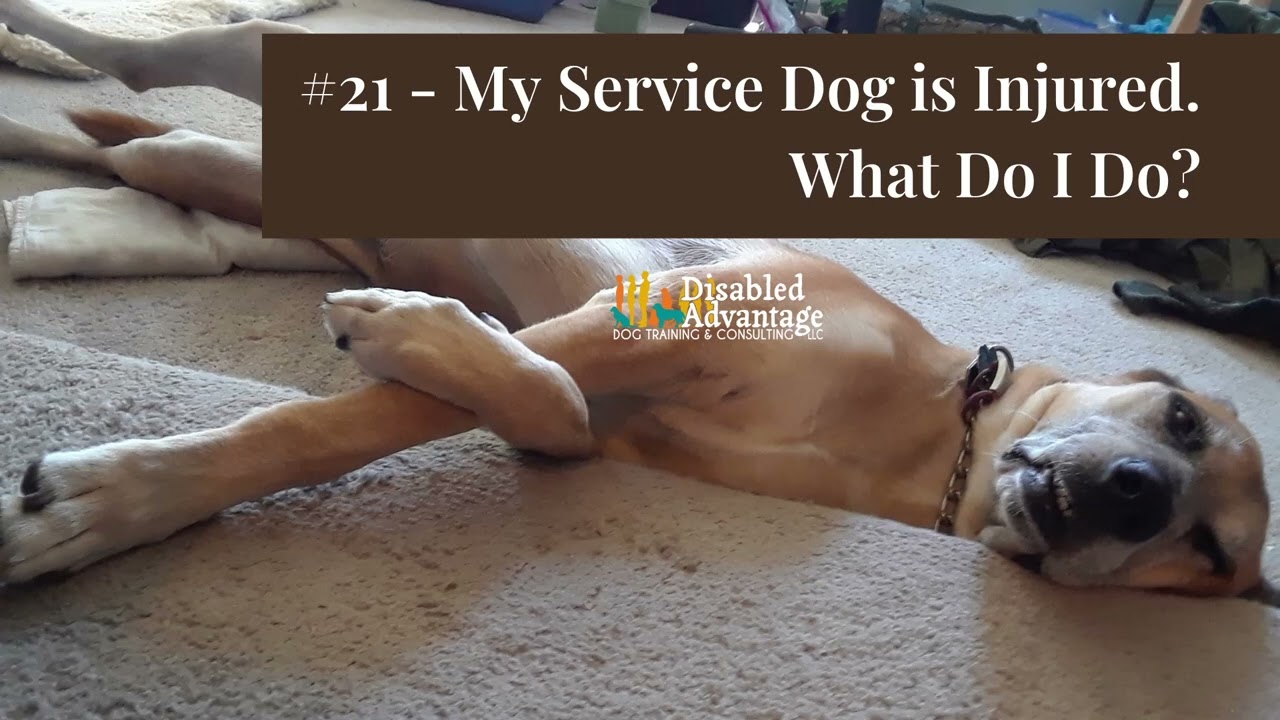
-
Your Service Dog Makes You Visible 
-
What is an "Access Issue"? 
-
What's the Best Dog for Service Work? 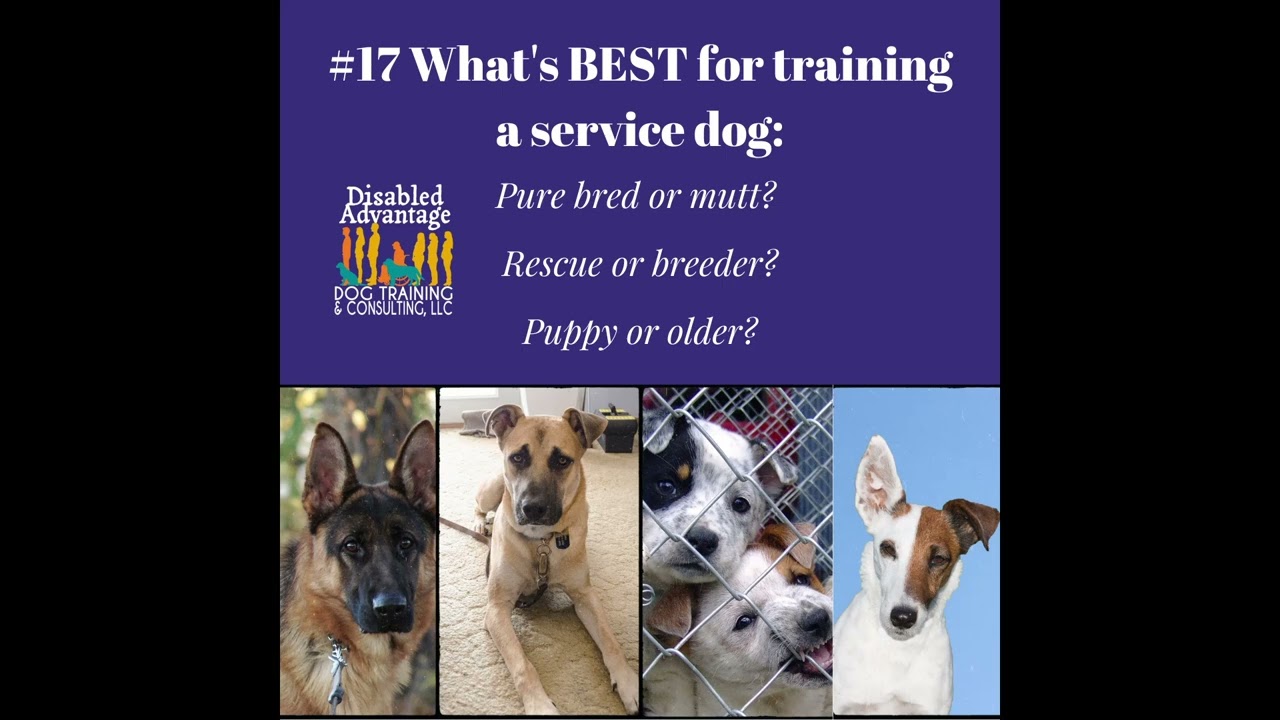
-
Keeping Training Consistent While You're in Pain 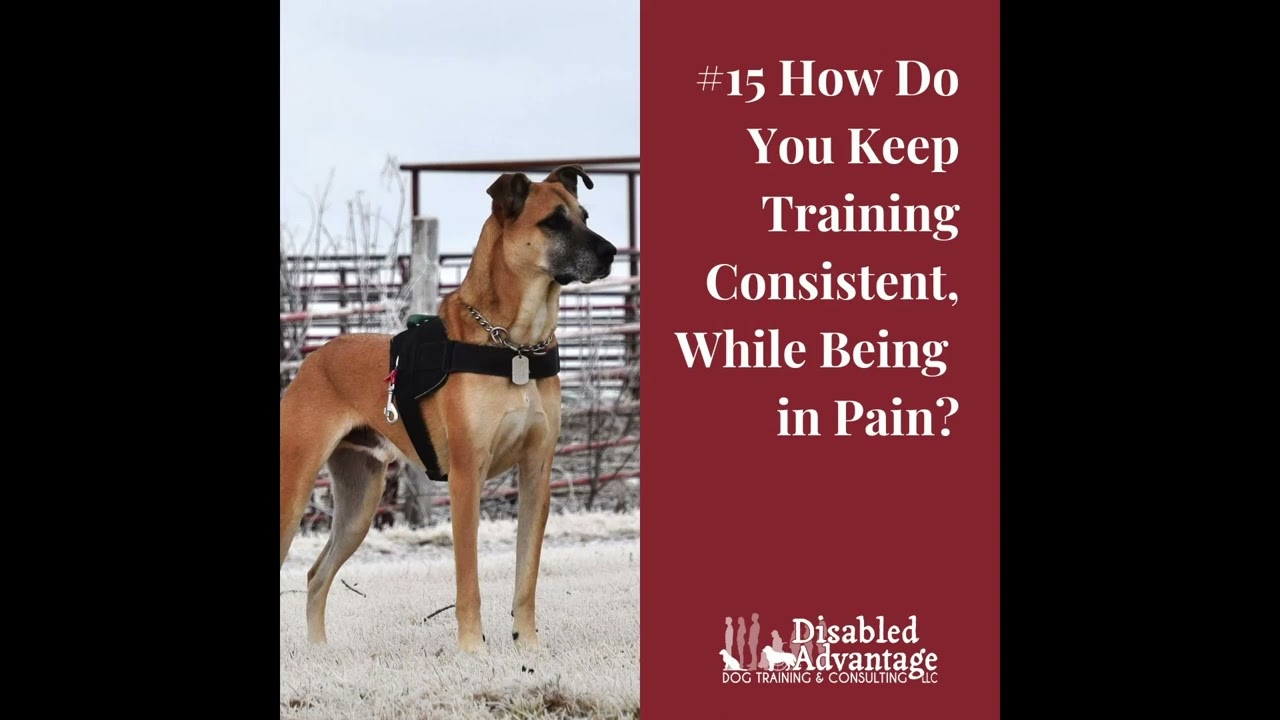
-
What is "Service Dog Training"? 
-
Will a Service Dog Cure Me? 
-
Do I Need a Service Dog or an ESA? 
-
What Makes a Good ESA? 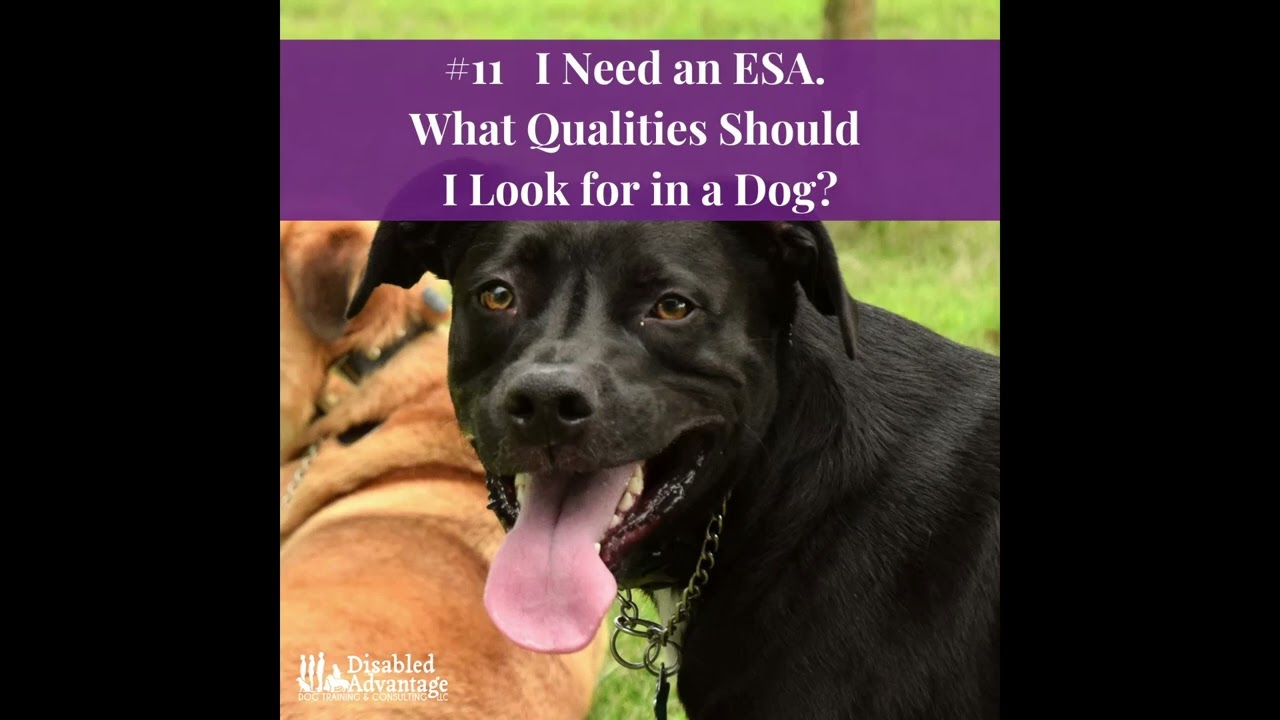
-
What Gear Does My SD Need? 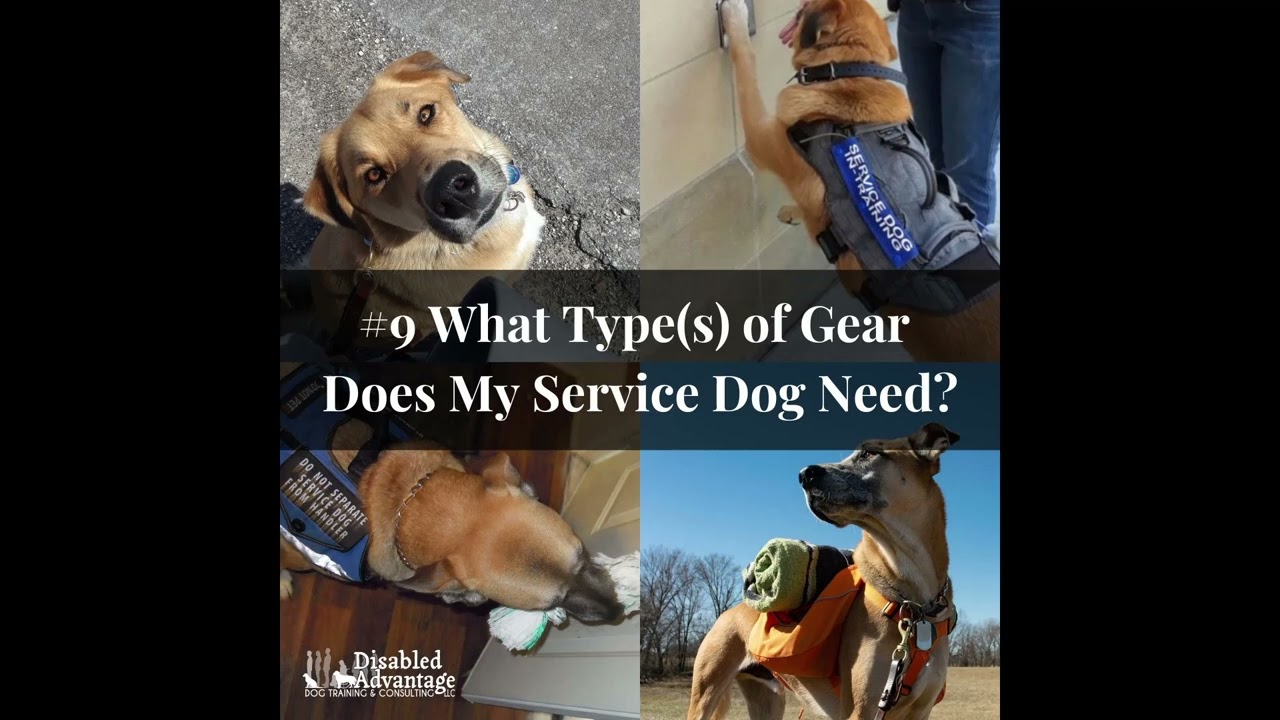
-
Should I Train My Own Service Dog? 
-
How Do I Find Help in the U.S.? 
-
What Test Makes My Dog a SD? 
-
Living with CRPS & Caring for a Dog 
-
Service Dogs for CRPS/RSD 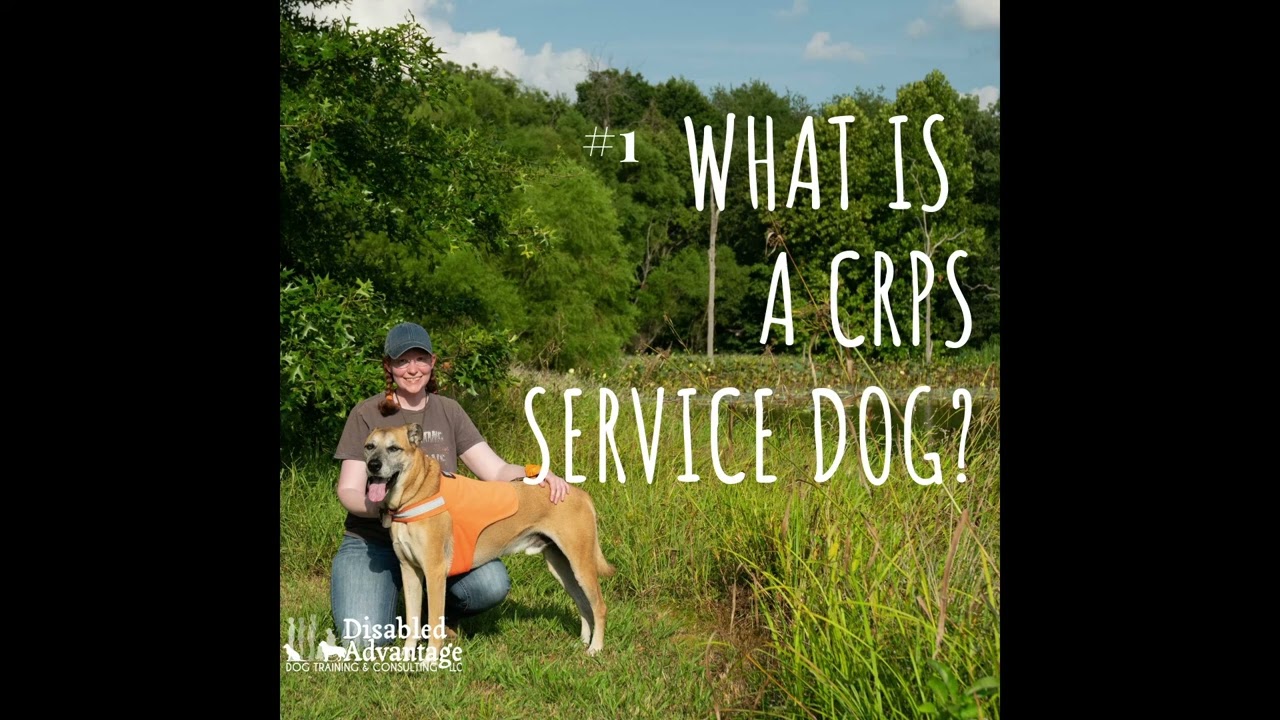
Here are some things you should know before getting a service dog
Tasks Taught with Disabled Advantage
-

Help You Stand Up
Bracing is a safety task for helping you stand up, bend over, get into/out of a shower or tub, move to the floor, rise after a fall, and more.
-

Open & Close Doors
A service dog can learn to open & close doors with tug ropes or by pushing with their paws or noses.
-

Pick Up Things
Service dogs can learn to pick up and bring or hand you various objects, as small as a quarter!
-

Balance in Motion
Pulling upward on a harness handle while you & your dog are walking prevents falls if you stumble or are wobbly, because your dog helps you re-center yourself.
-

Get Dressed/Undressed
You can ask your service dog to pull socks, pant cuffs, & jacket cuffs off. Or you might brace to put on boots or to put on/take off pants. They can also bring your clothes to you.
-

Harness Balance
Pulling upward on a harness handle while your dog stands still can prevent falls from dizziness, leg or full-body tremors, muscle weakness in wind, & more.
-

Emergency Help, Post-Fall
If you do fall, a service dog can be taught how to get you off the ground safely and take you someplace to recover. If you pass out, they're taught how to help bring you around.
-

Sort Clothes
A service dog can learn how to sort clothes, move your basket, loading & unloading. This limits the amount you need to move or lift, preventing or decreasing the flare.
-

Touch Buttons
Buttons for doors, lights, and elevators in public can be difficult or painful to activate due to a limited range of motion and/or sensitivity to touch.
-

Get Help
Service dogs can be taught to seek out a specific person, alert them, & show them where their disabled handler is for when you need human assistance.
-

Move Objects
Service dogs can move objects such as baskets, bags, & doors, by pulling them with their mouth directly or a tug rope.
-

Forward Assist
A service dog can learn to pull into a harness on purpose to help you keep moving forward. This helps you walk in pain, & prevents falling backwards.
-

Alert Task
You can teach your dog to scent seizures or migraines before they happen, to give time to get into a safe position and/or take meds. Nose nudging is a type of alert, usually done somewhere on your body or a set target.
-

Adrenaline Episode - Interrupt & Respond
Adrenaline episodes are caused by high stress situations or being startled. These episodes can last 30 minutes to 4 hours. A service dog can interrupt tremors to prevent self-harm, deep pressure to calm the nervous system & stabilize body temp.
-

Pull a Cart
Pulling a cart allows a service dog to help you collect firewood or bring it into the house, move garden debris, or perhaps walk home from a local store with a small load.
-

Open Package
Service dogs can be taught to tug tear away strips on envelope packages for people with weak or shaky hands.
-
Help You Stand Up Bracing is a safety task for helping you stand up, bend over, get into/out of a shower or tub, move to the floor, rise after a fall, and more.

-
Open & Close Doors A service dog can learn to open & close doors with tug ropes or by pushing with their paws or noses.
-
Pick Up Things Service dogs can learn to pick up and bring or hand you various objects, as small as a quarter!
-
Balance in Motion Pulling upward on a harness handle while you & your dog are walking prevents falls if you stumble or are wobbly, because your dog helps you re-center yourself.
-
Get Dressed/Undressed You can ask your service dog to pull socks, pant cuffs, & jacket cuffs off. Or you might brace to put on boots or to put on/take off pants. They can also bring your clothes to you.
-
Harness Balance Pulling upward on a harness handle while your dog stands still can prevent falls from dizziness, leg or full-body tremors, muscle weakness in wind, & more.
-
Emergency Help, Post-Fall If you do fall, a service dog can be taught how to get you off the ground safely and take you someplace to recover. If you pass out, they're taught how to help bring you around.
-
Sort Clothes A service dog can learn how to sort clothes, move your basket, loading & unloading. This limits the amount you need to move or lift, preventing or decreasing the flare.
-
Touch Buttons Buttons for doors, lights, and elevators in public can be difficult or painful to activate due to a limited range of motion and/or sensitivity to touch.
-
Get Help Service dogs can be taught to seek out a specific person, alert them, & show them where their disabled handler is for when you need human assistance.
-
Move Objects Service dogs can move objects such as baskets, bags, & doors, by pulling them with their mouth directly or a tug rope.
-
Forward Assist A service dog can learn to pull into a harness on purpose to help you keep moving forward. This helps you walk in pain, & prevents falling backwards.
-
Alert Task You can teach your dog to scent seizures or migraines before they happen, to give time to get into a safe position and/or take meds. Nose nudging is a type of alert, usually done somewhere on your body or a set target.
-
Adrenaline Episode - Interrupt & Respond Adrenaline episodes are caused by high stress situations or being startled. These episodes can last 30 minutes to 4 hours. A service dog can interrupt tremors to prevent self-harm, deep pressure to calm the nervous system & stabilize body temp.
-
Pull a Cart Pulling a cart allows a service dog to help you collect firewood or bring it into the house, move garden debris, or perhaps walk home from a local store with a small load.
-
Open Package Service dogs can be taught to tug tear away strips on envelope packages for people with weak or shaky hands.

Copyright © 2026 Disabled Advantage Dog Training and Consulting LLC